
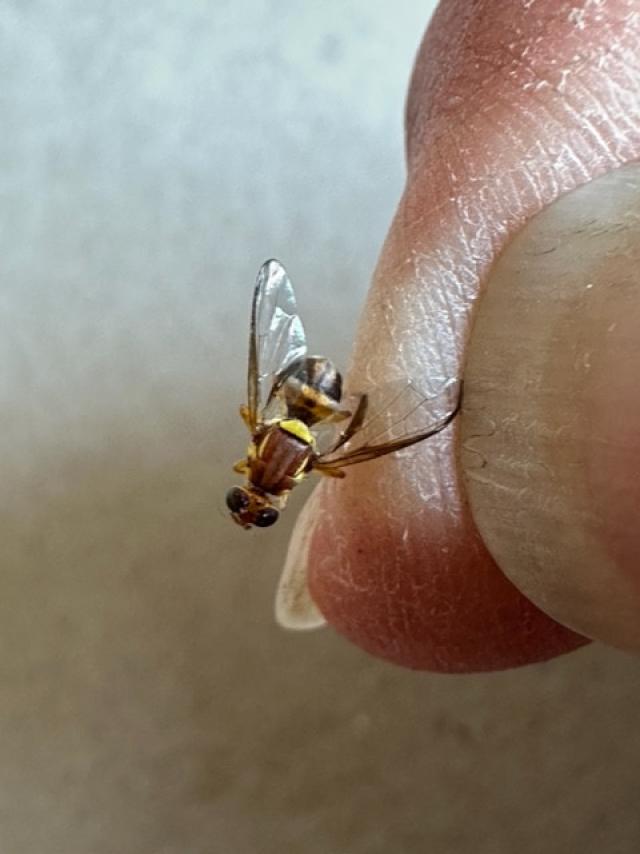
South Australian’s are being reminded of the importance of biosecurity as we reach mid-spring.
As South Australia moves through the middle of spring, backyards will start to overflow with fresh produce – from early peaches and nectarines to citrus and apricots.
While the season is perfect for enjoying homegrown fruit, the Department of Primary Industries and Regions (PIRSA) is reminding the community that this is also when fruit fly starts to increase its risk to produce.
For home gardeners living in or near outbreak or suspension areas, this time of year brings added responsibility.
Fruit flies thrive in warmer weather, and fresh homegrown fruit, whether picked, gifted, or taken on the road, can unknowingly spread larvae to new areas.
General Manager of the Fruit Fly Response Program Jason Size said now is the time to be extra cautious with how we handle, store, and share produce.
“We’re seeing more people harvesting fruit and wanting to take it with them on holidays, to work, or to share with friends and family,” he said.
“But if that fruit has come from a fruit fly affected area and hasn’t been properly processed in one of the approved ways, you’re putting other regions and growers at risk.
“It only takes one piece of infested fruit to start a new outbreak.”
Fruit grown in red outbreak areas must not be moved unless it has been properly treated.
That means cooking, freezing, drying, pureeing, canning, or grating the fruit before taking it off site.
Slicing or mashing is not enough to kill any larvae that may be present.
Spring is also a popular time for road trips and weekend escapes, with many families travelling to the Riverland.
PIRSA continues to encourage all travellers to check their cars, picnic baskets, and luggage for fresh produce and to dispose of any restricted items in the yellow quarantine bins located at key highway and roadside locations into South Australia and the Riverland or risk a $420 fine.
PIRSA teams are maintaining intensive control activities including the release of sterile flies, routine baiting and trapping, and hygiene across affected areas.
However, spring conditions make for rapid fruit development, and rapid pest movement.
“This is a time when awareness and cooperation are crucial,” said Mr Size.
“Every South Australian who checks their fruit, processes it properly, or uses a quarantine bin is helping to protect our produce, our growers, and our state’s reputation for premium horticulture.” For travel advice, quarantine bin locations, and current outbreak updates visit fruitfly.sa.gov.au or call the 24-Hour Fruit Fly Hotline on 1300 666 010.